
Mapping the Burden of Chronic Disease Across the United States

Key Takeaways
- Chronic disease affects more than 75% of U.S. adults, with over half living with multiple conditions.
- Treatment of chronic conditions accounts for about 90% of the nation’s $4.9 trillion in annual health care spending.
- PolicyMap’s Chronic Conditions Index combines data from 12 chronic diseases into a single, neighborhood-level measure.
- Areas with the greatest burden often overlap with communities where more than 20% of residents live in poverty.
- Nationally, high blood pressure, high cholesterol, and obesity affect the largest share of the population.
Over 75% of the adult population in the United States suffers from a chronic condition, and over half of the population has two or more chronic conditions. These numbers are growing, especially in the younger population. This poses a serious health burden on both the individual and the health system. People with chronic conditions not only face ongoing medical care, but they are also more likely to develop additional chronic conditions and mental health problems, including depression. Several of the most common chronic diseases, including heart disease, cancer, and diabetes, are among the leading causes of death in the U.S. Treatment and care for chronic conditions account for over 90% of the nation’s 4.9 trillion in annual health care.
According to the CDC, the causes of these conditions vary. While many chronic diseases are partly the result of personal health choices, such as smoking, poor nutrition, physical inactivity, and excessive alcohol use, larger socioeconomic and environmental factors play a major role in their prevention and management. These include poverty, unsafe or unhealthy environments, unaffordable housing, food insecurity, and lack of access to quality education and livable wages. Once a chronic condition develops, lack of affordable health care also prevents many people from seeking treatment.
While most chronic conditions are hard to treat or cure, many are preventable. Addressing the underlying causes of chronic diseases must include both a focus on health behaviors and underlying policy changes. However, it may be helpful to target such campaigns and efforts in areas that have the largest number of people suffering from chronic conditions. Because there are so many different chronic diseases, it can be difficult to get an overall picture of a location’s overall chronic disease health burden when only examining individual diseases.
Chronic Conditions Index
To get a better sense of an area’s overall chronic health conditions, PolicyMap modelled a chronic conditions index based on the CDC’s prevalence index. Twelve chronic diseases were included: obesity, hypertension, high cholesterol, coronary heart disease, chronic obstructive pulmonary disease, asthma, chronic kidney disease, diabetes, cancer (excluding skin cancer), depression, stroke, and arthritis. This dataset shows where chronic conditions pose the most burden. A composite score was calculated by ordering each disease estimate and assigning a score of 0 to ZCTAs in the bottom 25th percentile, 1 for ZCTAs in the middle (25th to 75th percentiles) or 2 to those in the top 25th percentile. These scores were summed so each ZCTA has a score range of 0-24. This data was then rated as low if it was in the bottom 25th percentile, medium if in the middle percentile (25-75 percentile) and high if in the top 25th percentile. A rating of ‘highest’ indicates that the ZCTA experiences higher prevalences of individual chronic conditions, many different types of chronic conditions, or a combination of these two factors.
Mapping Chronic Conditions
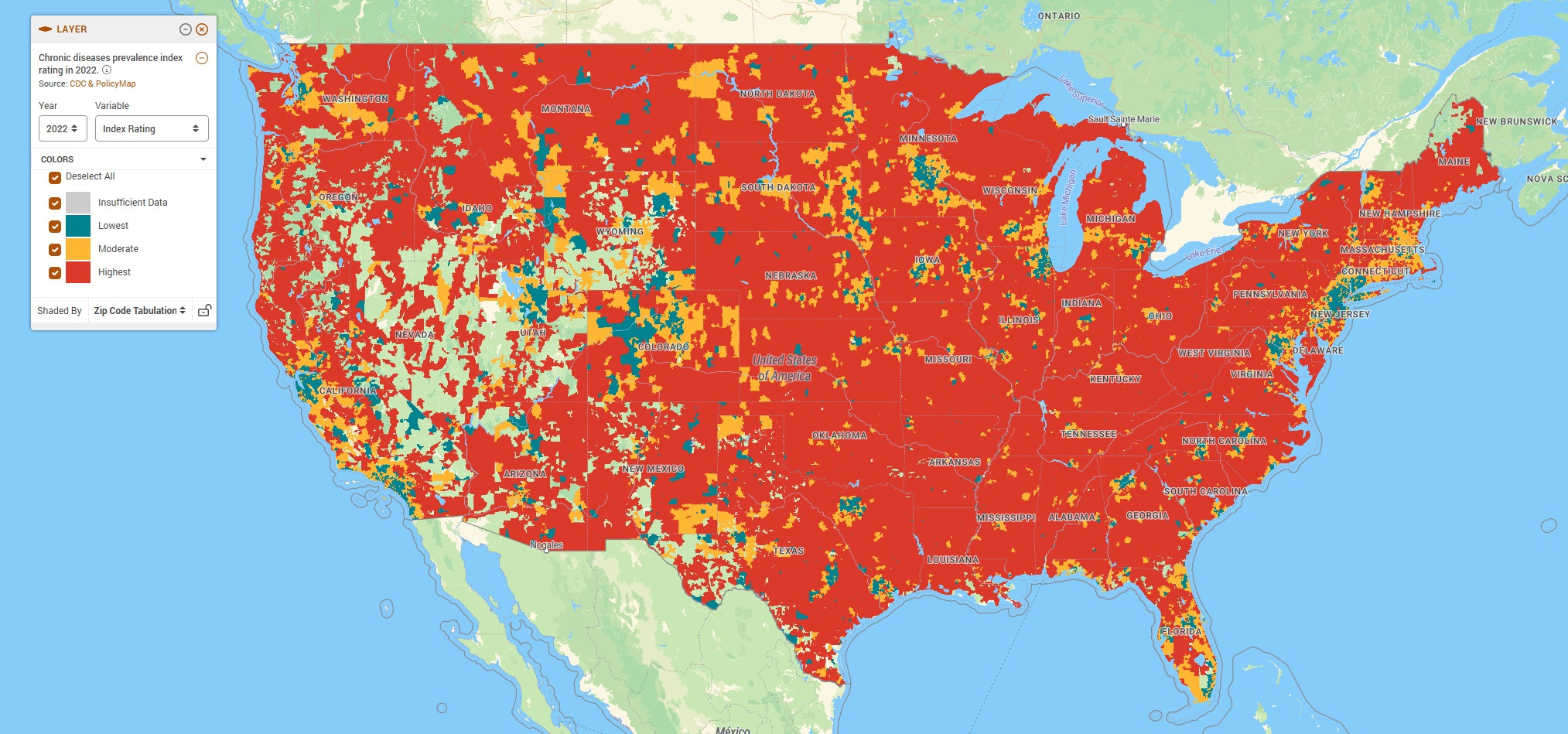
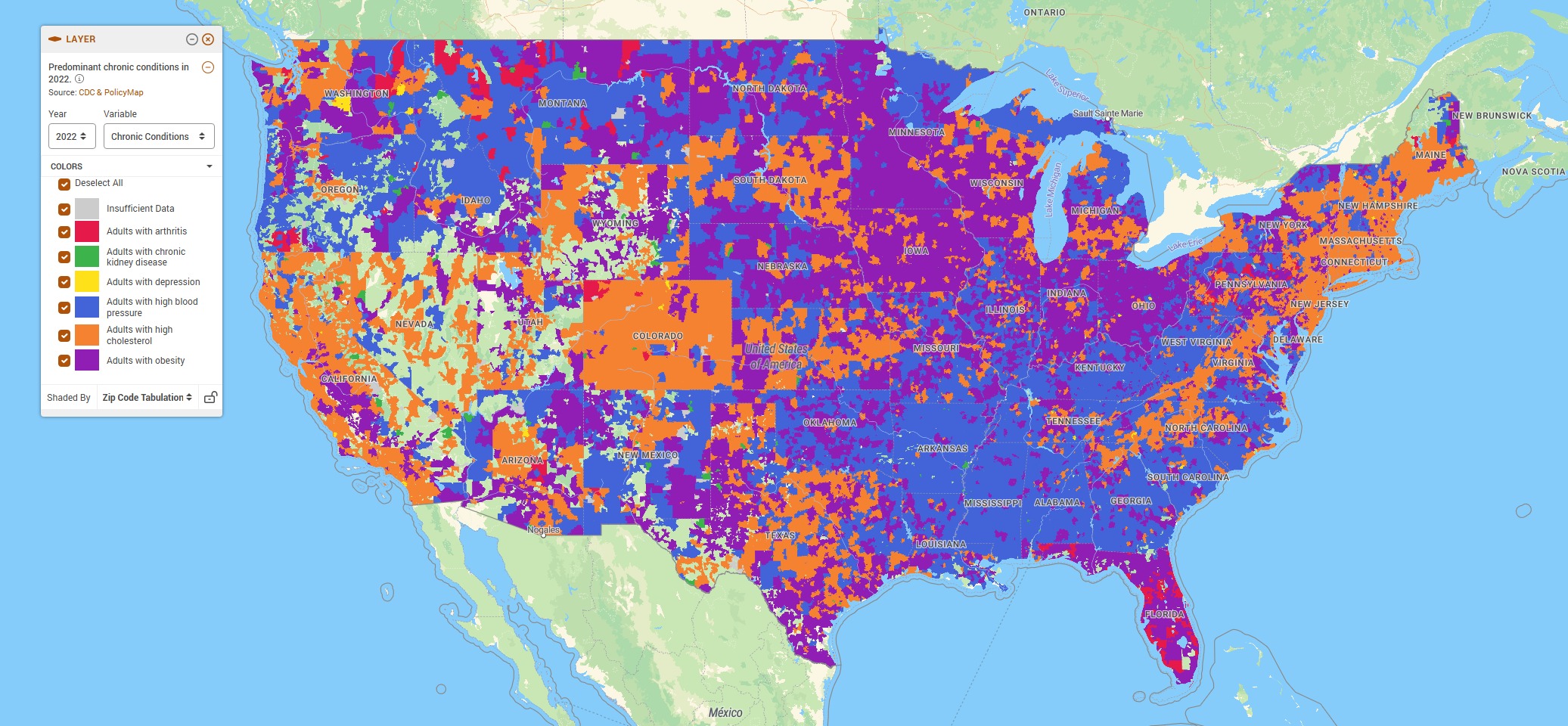
When looking at the entire US map, we see that many rural areas are experiencing high levels of chronic conditions, including both a larger number of conditions and more population that is impacted. There are also hot spots of less burden, usually in urban settings.
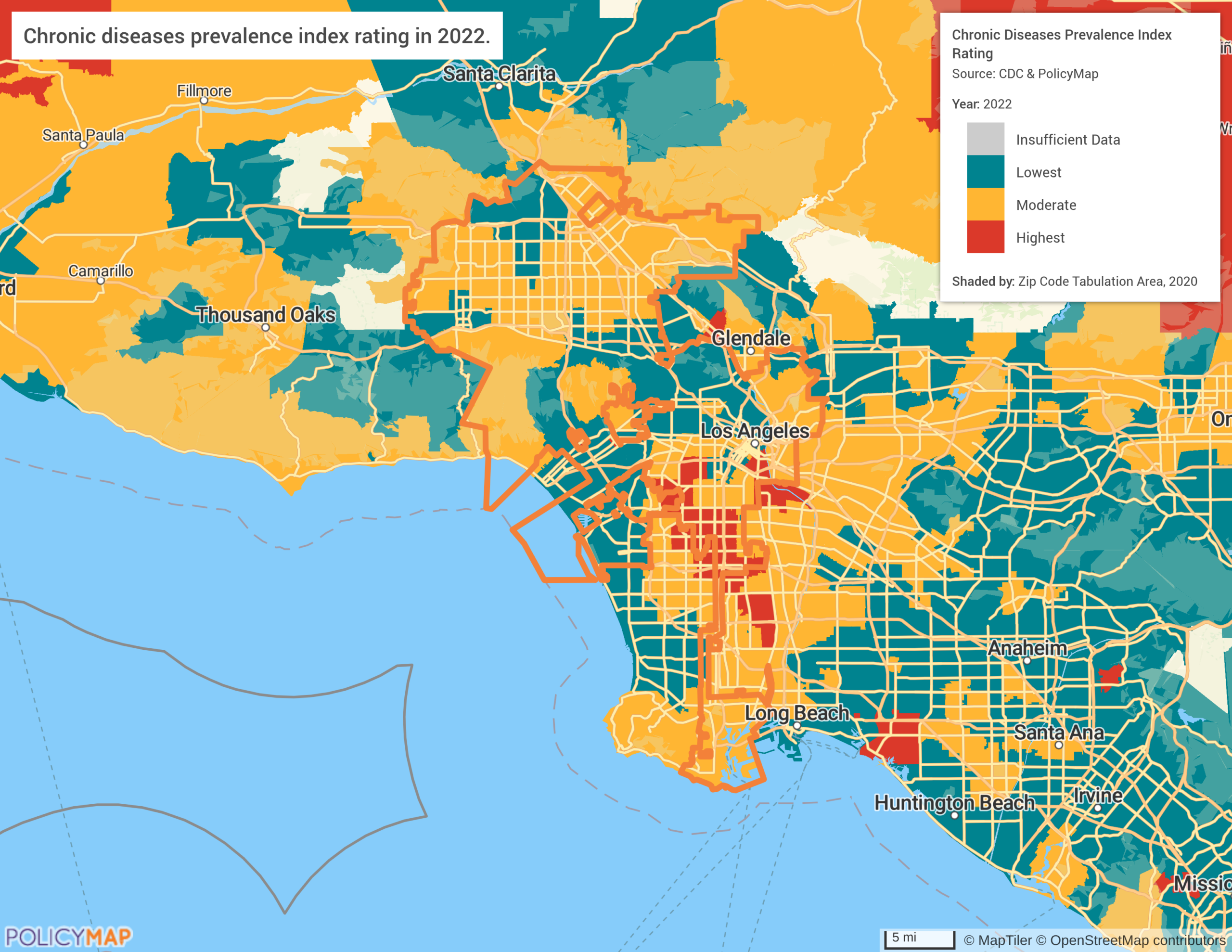
However, not every city experiences the same level of health, and there are variations among city neighborhoods. For instance, Los Angeles as a whole rates well on the chronic diseases index. Most of the ZCTAs within the city are either scored as lowest or moderate. But there are pockets with the highest burden of chronic conditions that might benefit from additional health outreach and policy decisions.
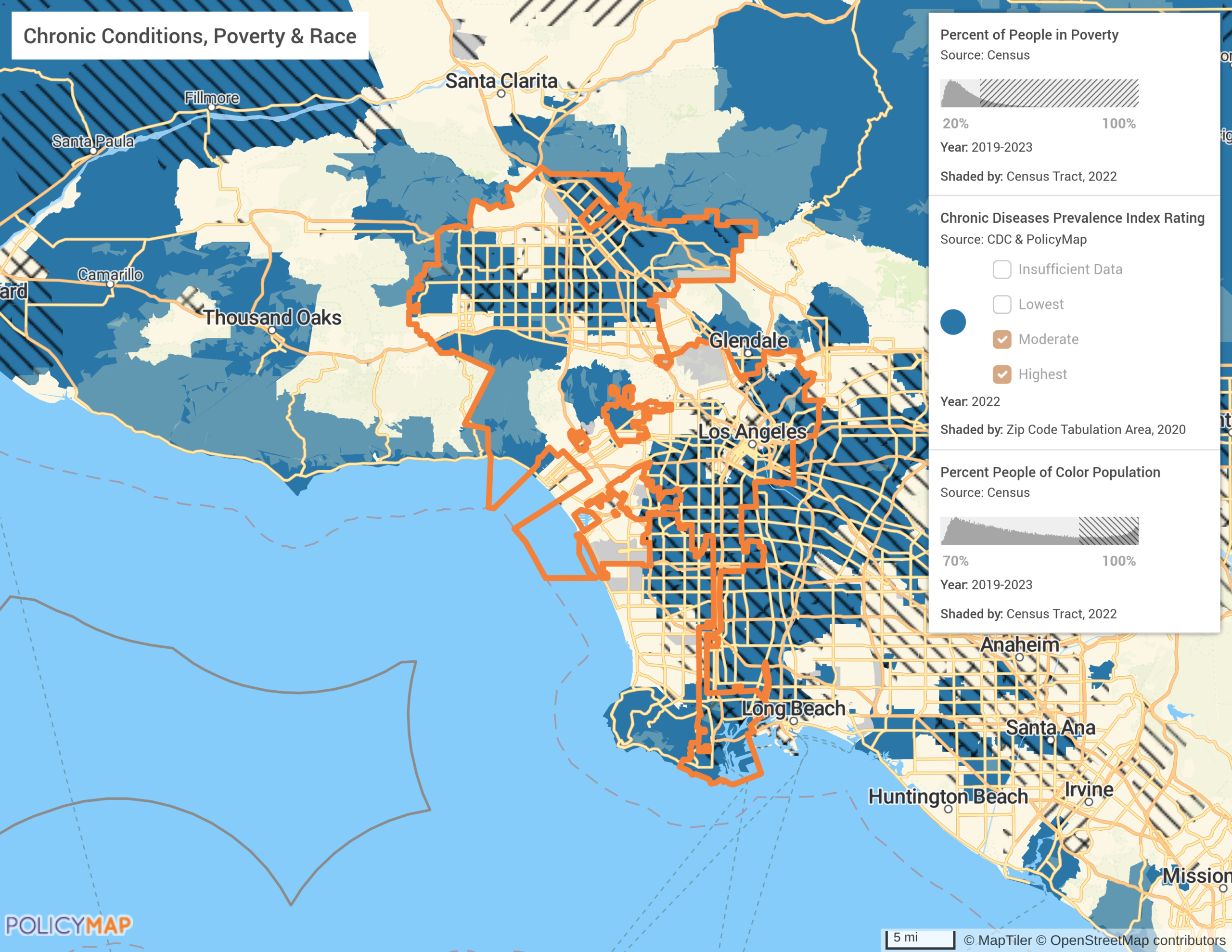
The ZCTAs in Los Angeles that score as moderate or highest also have over 20% poverty and over 70% of the population as people of color. These are just a few examples that highlight the more complex socioeconomic factors that influence underlying health conditions.
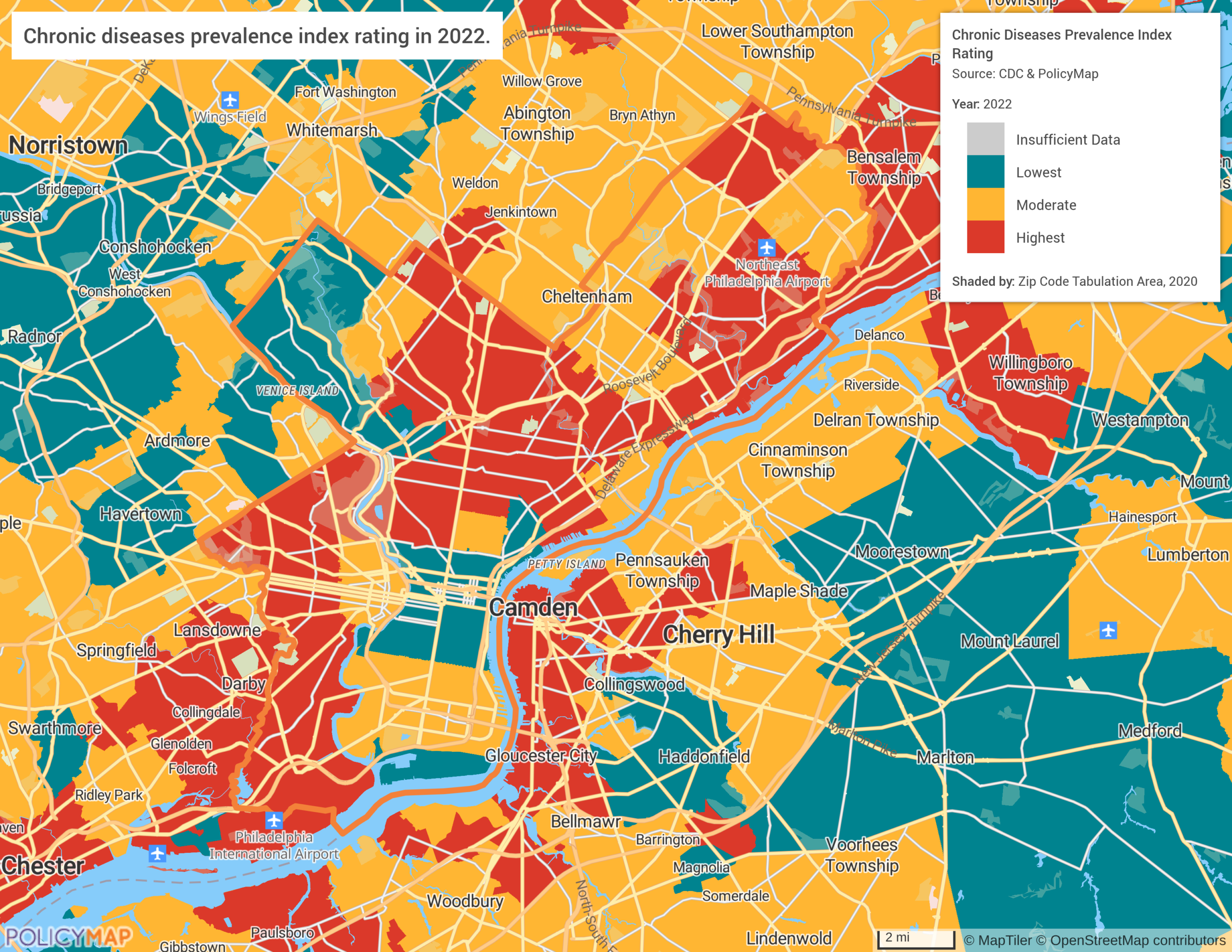
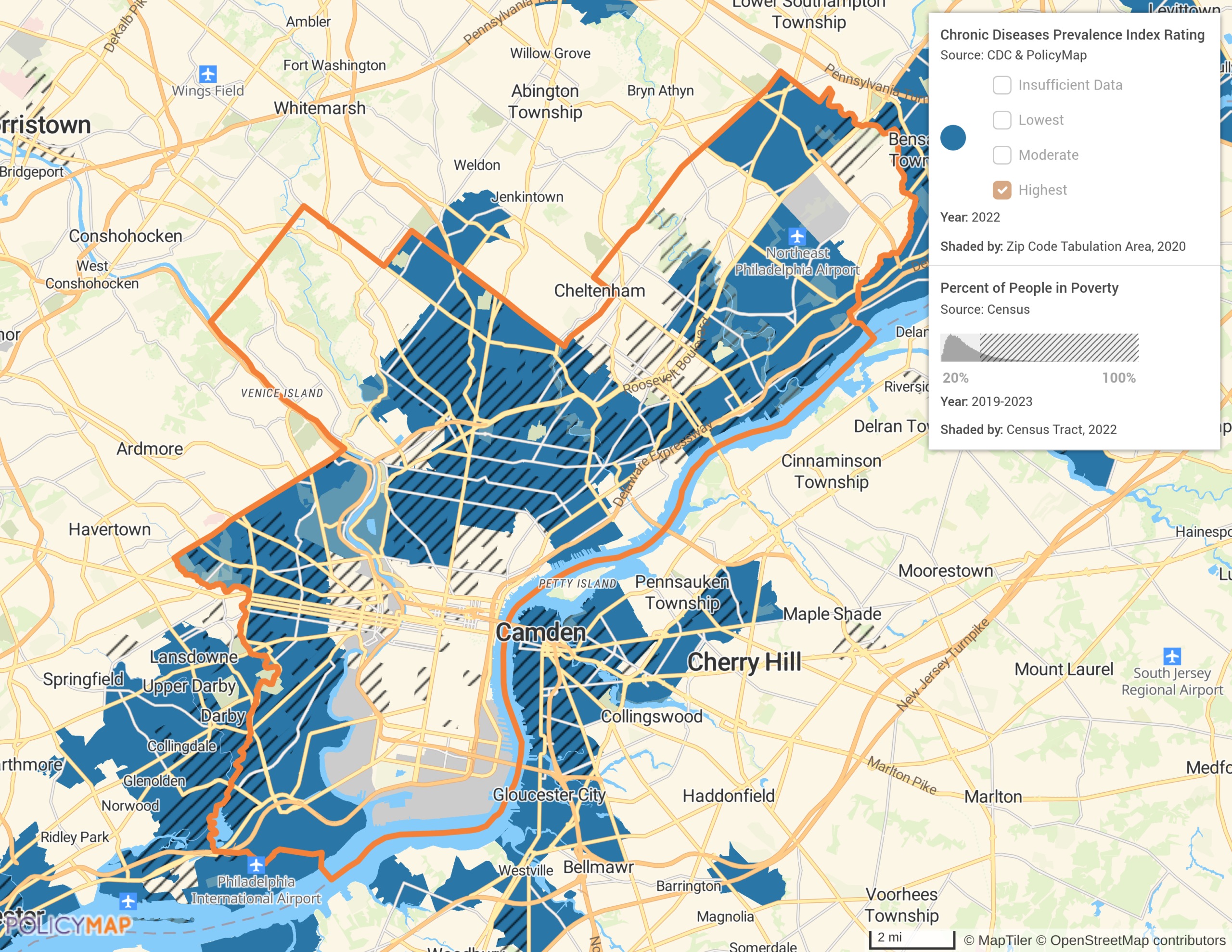
Most of Philadelphia’s ZCTAs score poorly on the chronic diseases index, with only the central city ZCTAs scoring well.
For Philadelphia, most ZCTAs that experience high levels of chronic disease also coincide with areas where over 20% of the population experiences poverty. This further supports the CDC’s advocacy that addressing these issues is not as simple as just focusing on individual behavior changes.
Predominant Chronic Conditions
Rather than focusing only on which areas experience the highest burden of chronic disease, it can also be useful to understand which conditions affect the greatest number of people. PolicyMap’s predominant chronic conditions variable helps identify this pattern. The predominant chronic condition in each geographic area is defined as the condition affecting the highest percentage of residents. Viewed nationally, high blood pressure, high cholesterol, and obesity emerge as the conditions impacting the most people. While prevalence varies by region, much of the country is affected by the same leading conditions.
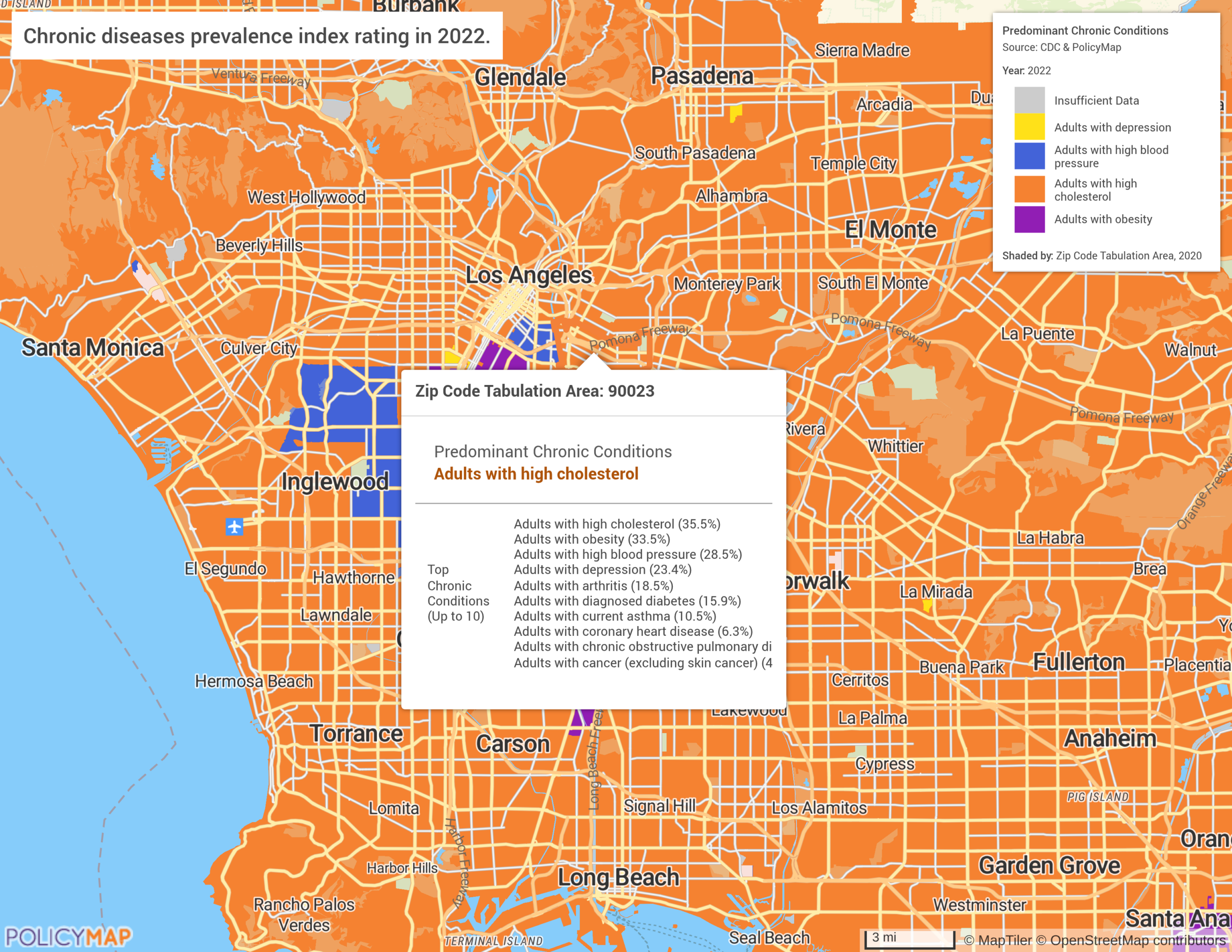
Knowing exactly which conditions impact a neighborhood can likewise be helpful when addressing local health needs. The multi-info bubble that appears when you click on a specific ZCTA includes a ranked list of the top 10 chronic conditions. For instance, if we examine a ZCTA in Los Angeles, we see that the most common chronic conditions are high cholesterol and obesity, both impacting over 30% of the population. High blood pressure and depression are also concerns for about a quarter of the population.
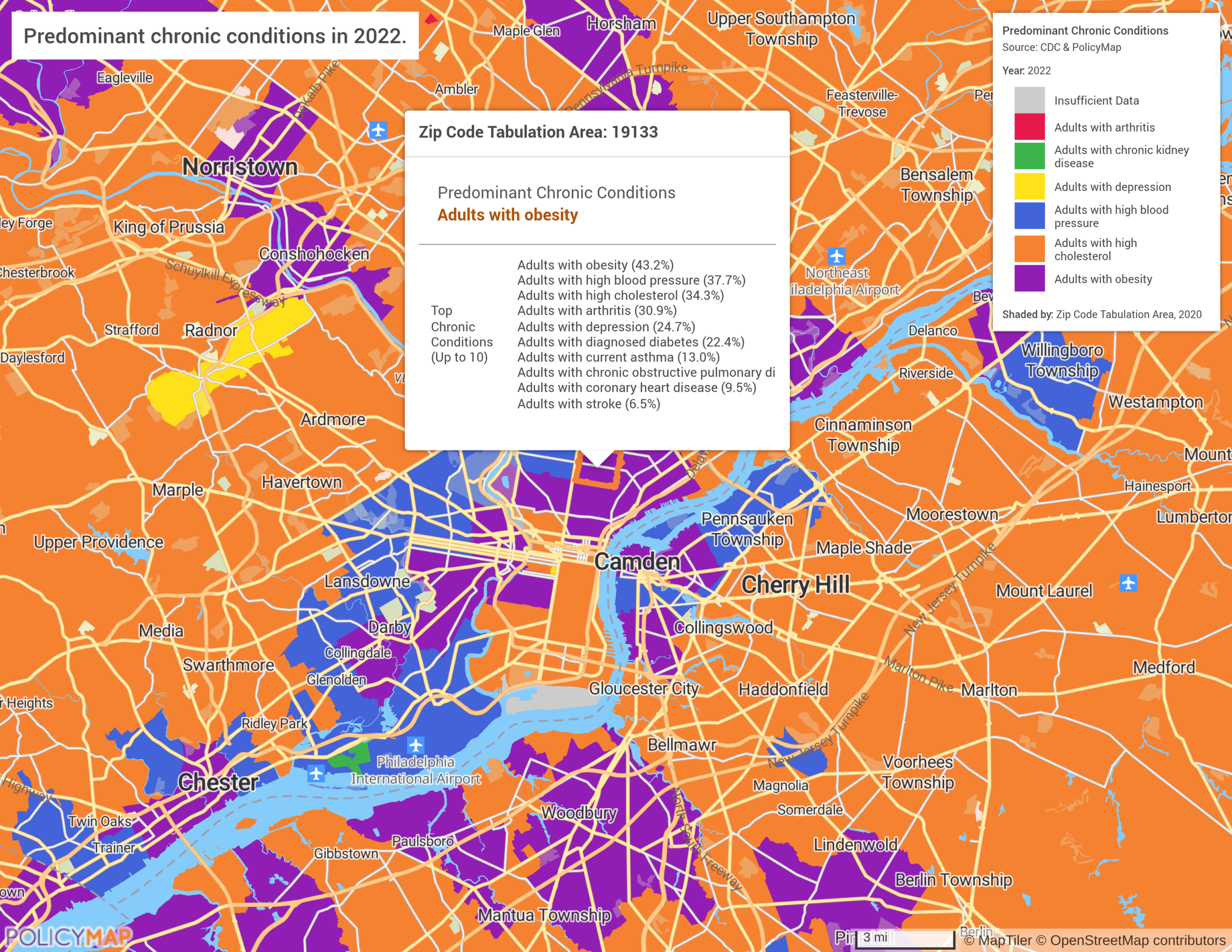
Looking at a ZCTA in Philadelphia, we see that obesity is the most common chronic condition, impacting over 40% of the population, with high blood pressure, high cholesterol, and arthritis also impacting over 30% of the population. About a quarter of this population also faces depression and diabetes.
Given the serious health implications of chronic conditions and the significant burden they place on the health system, effective preventive care efforts are essential. Identifying regional hotspots with high concentrations of chronic disease can help focus targeted outreach and policy advocacy. Similarly, understanding which conditions are most prevalent can better support the specific health needs of individual neighborhoods.
Request More Information
Want to better understand where chronic disease burden is highest and how social and economic factors shape health outcomes? PolicyMap provides neighborhood-level data and mapping tools to support public health planning, policy development, and community investment. Contact our team below to learn how these insights can support your organization’s goals.